In a significant statement addressing escalating regional tensions, Iran’s President Masoud Pezeshkian has made it clear that while Iran is not seeking war, the nation will not succumb to external pressure or forced surrender. This declaration comes at a critical juncture as both Tehran and Washington prepare for a potential second round of negotiations that could take place within the next 48 hours.
Iran’s Firm Stance Amid Diplomatic Efforts
President Pezeshkian’s message sends a dual signal to the international community: Iran remains committed to diplomatic solutions, but any attempt by adversaries to impose their will or force a ceasefire on unfavorable terms will be met with firm resistance. This position reflects Tehran’s strategic approach as it navigates complex geopolitical challenges involving multiple stakeholders in the Middle East.
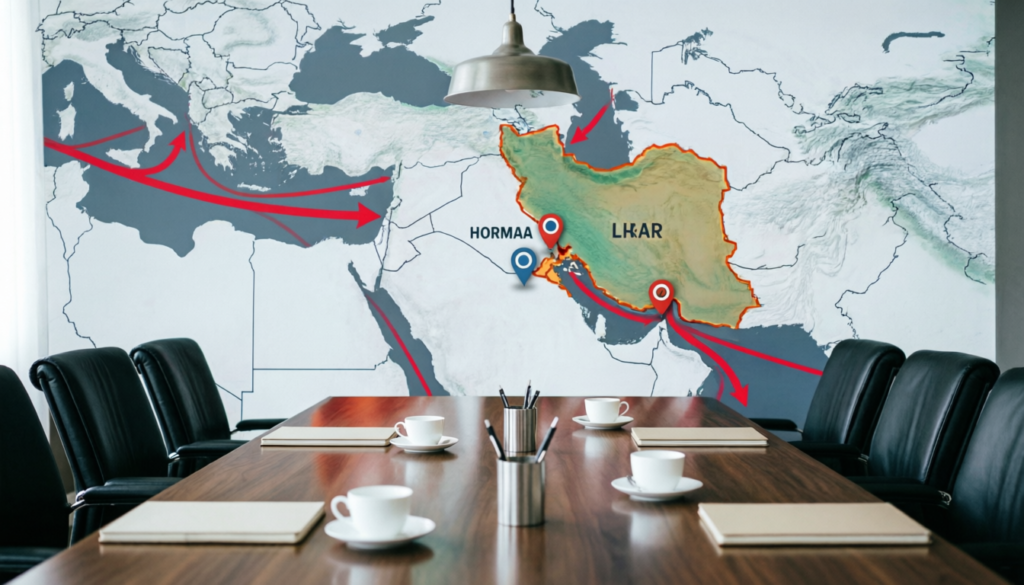
The Strait of Hormuz Crisis
The strategic waterway remains a flashpoint, with Iran’s control over this vital shipping route being a major concern for global energy markets and international security.
Lebanon Conflict
The ongoing war in Lebanon continues to complicate regional stability, with Iran’s involvement being a key point of contention in any peace discussions.
Uranium Enrichment Program
Iran’s nuclear program remains one of the most divisive issues, with Tehran refusing to compromise on what it considers its sovereign right to peaceful nuclear technology.
Lessons from Failed Islamabad Talks
The previous round of negotiations held in Islamabad ended without any consensus, primarily due to the tough posturing from both Iranian and United States representatives. JD Vance’s assessment that reaching an agreement “will take a while” underscores the complexity of the situation and the deep divisions that still exist between the parties.
Despite ongoing back-channel communications, experts warn that meaningful progress requires both sides to demonstrate flexibility on core demands while maintaining their fundamental security interests.

