What Happened at the UN Security Council Vote?
In a decisive move that underscores deepening geopolitical fractures, China and Russia vetoed a Bahraini resolution at the United Nations Security Council on Tuesday. The proposed resolution aimed to reopen the Strait of Hormuz and encourage international coordination to protect commercial shipping in one of the world’s most critical maritime chokepoints. With both permanent members exercising their veto power, the measure failed to pass, leaving global stakeholders questioning the future of multilateral cooperation on Middle East security.
Why Did China and Russia Veto the Resolution?
While official statements from Beijing and Moscow emphasized procedural concerns and sovereignty principles, analysts suggest strategic calculations drove the china russia veto strait of hormuz decision. Both nations maintain complex economic and diplomatic ties with Iran, a key regional player frequently at the center of Hormuz tensions. Additionally, the veto reflects a broader pattern of resistance to Western-led security frameworks, signaling a shift toward multipolar governance in global maritime affairs.
Experts note that the resolution’s language—particularly around “coordinated efforts”—may have raised concerns about potential military interpretations or unilateral enforcement actions. By blocking the measure, China and Russia preserved diplomatic flexibility while reinforcing their stance against perceived overreach by Western powers in regional security matters.
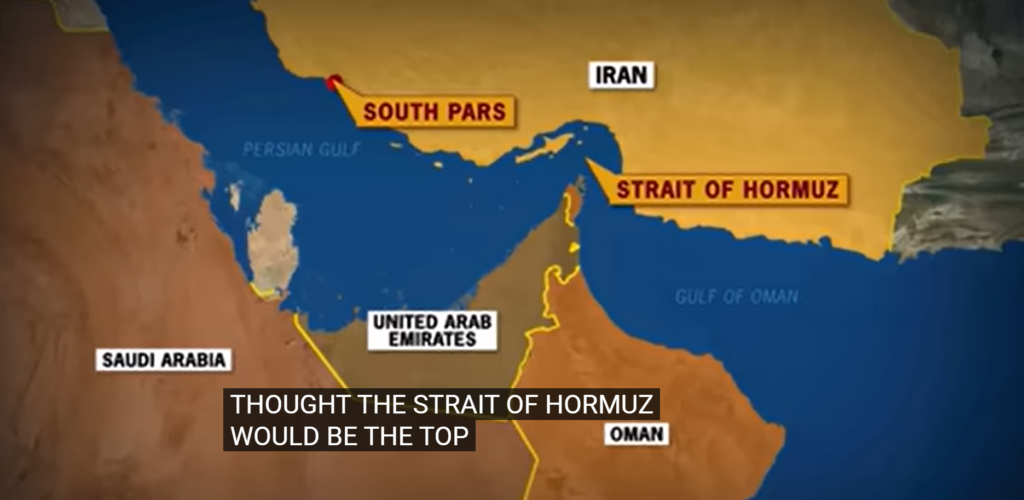
Strategic Importance of the Strait of Hormuz
The Strait of Hormuz is not just a waterway—it’s an economic lifeline. Approximately 20-30% of global oil shipments pass through this narrow passage between Oman and Iran. Any disruption risks immediate spikes in energy prices, supply chain delays, and heightened market volatility. For this reason, safeguarding commercial navigation here is a priority for nearly every major economy.
The Bahraini resolution sought to establish a framework for de-escalation and joint patrols, but the veto has left a vacuum. Without UN-backed coordination, regional actors may pursue unilateral or coalition-based security measures, potentially increasing the risk of miscalculation or escalation.

